Source Small Recycling Garbage Truck for Urban, Industrial, Public Use
Explore 30 listings for the small recycling garbage truck designed for urban sanitation, industrial areas, and public facilities. Buyers can compare specifications, volumes, and customization options to find the right vehicle for their waste management needs; compare the available evidence and request quotations based on your requirements.
Key considerations
Products List


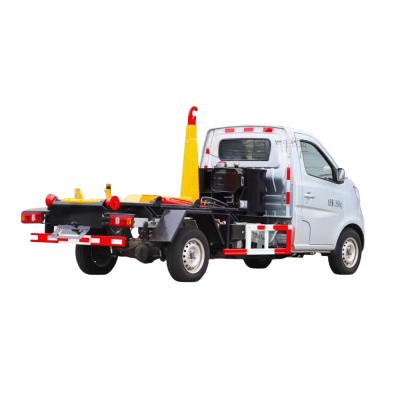


China Municipal Garbage Compactor Truck 8 Cubic Meters Waste Collection Truck
$22300.00 - $26500.00
Moq: 1


Comprehensive Sourcing Guide
Small Recycling Garbage Truck Sourcing Guide
Procuring a small recycling garbage truck requires careful alignment between operational needs and specific vehicle configurations observed in the market. Buyers should prioritize units labeled as "Multifunctional Intelligent Garbage Removal Trucks" or "Three-Wheeled Garbage Trucks" that explicitly support sealed and swing arm operations. These models are designed for urban sanitation and public facilities where maneuverability is critical, often featuring volumes ranging from 1000 to 6000 liters to suit compact collection routes.
When evaluating listings, verify that the drive wheel configuration matches your fuel infrastructure, as observed models include both diesel and gasoline variants. The market offers distinct transmission types, with manual and automatic options available depending on the chassis brand and intended usage intensity. Ensuring the vehicle matches the specific application, such as industrial areas or public facilities, prevents costly mismatches between the truck's capacity and the actual waste volume generated in your service zone.
Product Scope and Observed Listing Signals
The observed product range includes compact units with volumes between 1000 and 6000 liters, specifically categorized as small or medium models for efficient urban deployment. Listings frequently highlight customization availability for color options like white, blue, and green, allowing municipalities to maintain consistent branding across their fleets. These vehicles often feature high-strength lightweight steel construction, which balances durability with fuel efficiency, a crucial factor for frequent stop-and-go recycling operations in dense city environments.
Buyers must distinguish between different compaction and loading mechanisms, as observed specifications include rear loader, swing arm, and sealed compression types. The product scope extends to models with specific chassis brands like Foton or Changan, each offering unique dynamical systems such as Chongqing Yuan Anhuai Sea Power engines. Understanding these variations is essential, as the choice between a dump, hang barrel, or arm type directly impacts the operational workflow and the types of waste containers the truck can effectively service.
Technical Specifications to Verify
Technical due diligence must focus on the precise volume capacity and chassis compatibility to ensure the vehicle meets daily collection targets. Specifications often list customizable volumes such as 4m³, 5m³, 6m³, or 8m³, but buyers should confirm the actual usable space for their specific waste stream. The drive wheel configuration, typically 4×, and the emission standard, ranging from Euro to specific fuel types, must align with local environmental regulations and the available fuel supply infrastructure at the depot.
Verification of the transmission type and operating mode is equally critical for long-term reliability and driver comfort. Observed models utilize hydraulic system controls for operating modes, which require regular maintenance checks to prevent mechanical failure during peak collection hours. Additionally, the payload capacity, which can reach up to 30 tons in larger variants, must be cross-referenced with the vehicle's gross weight rating to ensure compliance with road safety laws and to prevent overloading penalties during transit.
Compliance and Safety Documentation
Compliance verification begins with confirming the presence of recognized certifications such as ISO, CE, and ISOCCC, which indicate adherence to international manufacturing and safety standards. Some listings also reference additional certifications like TSEPA, EEC, and RoHS, suggesting broader environmental and electrical safety compliance. Buyers should request physical copies of these documents to validate that the specific unit being purchased has undergone the necessary testing and quality assurance processes before leaving the factory.
Safety documentation must also cover the emission standards and structural integrity of the vehicle, particularly regarding the use of carbon steel or alloy steel components. The standard dimensions observed, such as 370014502050mm, should be verified against local road width restrictions and parking facility constraints. Ensuring that the vehicle meets the specific emission standards required by your jurisdiction is vital to avoid fines and to maintain the operational license of the fleet in environmentally regulated zones.
Cost Drivers and Commercial Terms
Cost structures for these vehicles are influenced by the customization level, material quality, and the specific engine configuration selected. Units featuring intelligent features and high-strength lightweight steel often command higher prices, reflecting the added value of durability and operational efficiency. Buyers should expect a price range between 800 and 50,000 USD, with the final cost heavily dependent on whether the unit is a basic three-wheeled model or a more complex, multi-functional recycling truck with advanced hydraulic systems.
Commercial terms regarding minimum order quantities (MOQ) and packaging are also significant factors in the total cost of ownership. Observed MOQs range from 1 to 40 units, offering flexibility for small municipalities or large fleet expansions. Packaging options vary from nude shipping to containerized transport, which can impact logistics costs and the condition of the vehicle upon arrival. Negotiating clear terms for lead times and delivery conditions is essential to ensure the vehicles are ready for deployment when needed.
Supplier Qualification and Quality Control
Supplier qualification should prioritize manufacturers who demonstrate a clear track record in producing specialized sanitation vehicles with documented quality control processes. The presence of standardized production methods, such as those adhering to ISO standards, suggests a commitment to consistent manufacturing quality. Buyers should verify the supplier's ability to provide customization for models like the ZZ1107D3815-2 or BHFWST-4004EG2, ensuring they can meet specific volume and functional requirements without compromising structural integrity.
Quality control checks must extend beyond the initial inspection to include the verification of core features like intelligent operation and environmental friendliness. Suppliers should provide detailed test results or performance data for the hydraulic systems and compaction mechanisms to confirm they meet the advertised specifications. Engaging with suppliers who offer transparent communication regarding their production standards and material sourcing helps mitigate the risk of receiving substandard vehicles that may fail prematurely in demanding urban sanitation environments.
Long-Term Procurement Checks
Long-term procurement success relies on establishing a robust maintenance framework that aligns with the specific operational demands of the recycling truck fleet. Buyers should plan for regular inspections of the hydraulic systems, transmission types, and drive wheels to ensure continued performance and safety. The availability of spare parts for components like the strength alloy steel integrated main hook arm is crucial for minimizing downtime and extending the service life of the vehicles.
Future-proofing the procurement strategy involves monitoring changes in emission standards and technological advancements in garbage removal technology. As regulations evolve, the fleet may require upgrades or replacements to maintain compliance with new environmental mandates. Establishing a relationship with a supplier who can support these transitions and provide updated models ensures that the procurement investment remains viable and effective over the long term, adapting to the changing needs of urban sanitation and industrial waste management.
FAQs
What volume capacities are available for small recycling garbage trucks?
Small recycling garbage trucks typically offer volumes ranging from 1000 to 10000 liters. Specific models include 4m³, 5m³, 6m³, and 8m³ options, with some units reaching up to 10000 liters. Buyers can select from small, medium, or large models based on their operational needs and waste collection requirements.
Can I customize the color and specifications of these trucks?
Yes, customization is available for both color and specifications. Standard color options include white, blue, and green, but other colors can be customized. Product specifications such as volume capacity are also customizable, allowing buyers to tailor the truck to specific urban sanitation or industrial area applications.
Which certifications do these garbage trucks typically hold?
These trucks commonly hold ISOCCC, CE, TSEPA, EEC, and RoHS certifications. The products adhere to ISO standards and may include specific emission standards like Euro. Buyers should verify the exact certification list for each model, as different configurations may have varying compliance documentation for international sourcing.
What drive wheel and transmission types are used in these trucks?
Drive wheel configurations include 4x2 and 4x4 setups, with fuel options ranging from diesel to gasoline. Transmission types vary between manual and automatic systems. Specific models may feature diesel engines with manual transmissions or gasoline engines with automatic transmissions, depending on the chassis and dynamical system selected by the manufacturer.
What is the typical MOQ for ordering these trucks?
The minimum order quantity typically ranges from 1 to 40 units. This flexibility allows buyers to place small trial orders or larger bulk purchases. The exact MOQ may vary based on the specific model, customization requirements, and the supplier's production capacity, so it is best to confirm with the vendor.
How are these trucks packed for shipping?
Packing methods include nude packing and shipping container options. Nude packing is common for larger units to save space, while shipping containers are used for smaller or more delicate components. The packing method depends on the truck's dimensions and the buyer's logistical preferences, ensuring safe transport from China to the destination.